
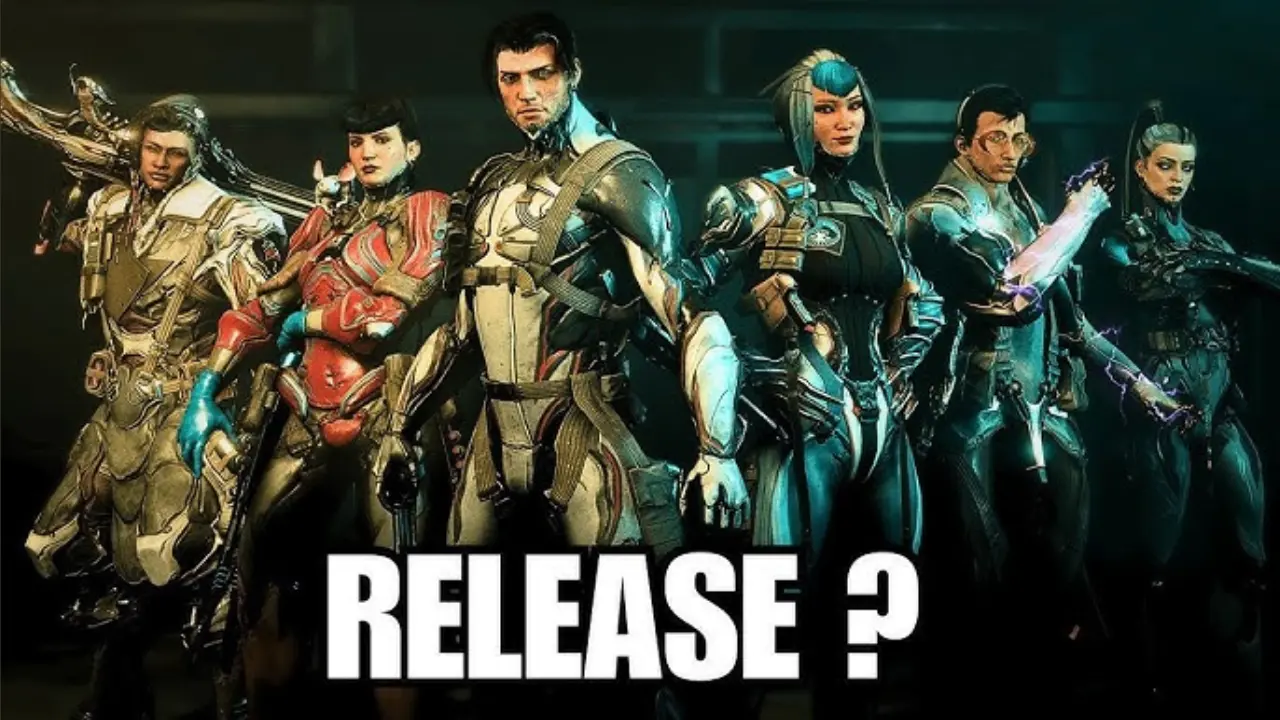
If you’re diving into Warframe or returning after a break, understanding Warframes by release date can give you a deeper appreciation of how the game has evolved. From the earliest starter frames to the latest additions, each Warframe reflects a specific era of design philosophy, gameplay mechanics, and storytelling.
In this guide, we’ll explore Warframes by release date, why it matters, and how different generations of Warframes compare in terms of abilities, complexity, and playstyle.
Why “Warframes by Release Date” Matters
Tracking warframes by release date isn’t just for trivia—it helps you understand:
- How gameplay mechanics have evolved
- Which Warframes are beginner-friendly
- How power scaling and balance have changed
- The shift in design from simple to highly specialized kits
Early Warframes were designed with simplicity in mind, while newer ones often feature layered abilities, synergies, and unique mechanics.
Jema Donahue Release Date: What Happened to Her?
The Early Era (2013–2014)
The first group in the warframes by release date timeline includes the original lineup that defined the game’s core experience.
Key Warframes:
- Excalibur (March 2013)
- Mag (March 2013)
- Volt (March 2013)
- Rhino (May 2013)
- Ember (December 2013)
These early Warframes focused on straightforward abilities. For example, Excalibur’s melee-focused gameplay and Rhino’s tankiness made them ideal for beginners.
Characteristics:
- Simple, easy-to-understand abilities
- Strong foundational roles (tank, DPS, support)
- Minimal synergy between abilities
When looking at warframes by release date, this era is often considered the most accessible for new players.
Max B Release Date: Why is He in Jail?
Expansion and Experimentation (2015–2017)
As the game grew, the developers began experimenting more with mechanics. The warframes by release date list during this period shows a shift toward more creative designs.
Notable Warframes:
- Mesa (November 2014)
- Equinox (July 2015)
- Ivara (December 2015)
- Nidus (December 2016)
- Octavia (March 2017)
Equinox introduced dual forms, while Nidus brought mutation stacks and scaling abilities—marking a turning point in Warframe complexity.
Characteristics:
- More complex ability interactions
- Unique mechanics (stealth, scaling, dual forms)
- Greater build customization
This phase in warframes by release date reflects the developers’ willingness to push boundaries.
The Modern Era (2018–2020)
By this point, Warframes were becoming more specialized and visually intricate. Reviewing warframes by release date during this time reveals a clear emphasis on synergy and thematic design.
Key Additions:
- Garuda (November 2018)
- Baruuk (December 2018)
- Wisp (May 2019)
- Gauss (August 2019)
- Protea (June 2020)
Wisp, for example, became one of the most popular support Warframes due to her versatile buffs and survivability.
Characteristics:
- Highly synergistic ability kits
- Strong thematic identities
- Increased visual and mechanical polish
In the warframes by release date timeline, this era stands out for balance between creativity and usability.
The Latest Generation (2021–Present)
The most recent entries in warframes by release date showcase cutting-edge design, often blending storytelling with gameplay mechanics.
Recent Warframes:
- Sevagoth (April 2021)
- Xaku (reworked and popularized post-2021)
- Gyre (April 2022)
- Kullervo (June 2023)
- Dagath (October 2023)
These Warframes often introduce mechanics that require deeper understanding, such as alternate forms, scaling systems, or combo-based abilities.
Characteristics:
- Advanced mechanics and synergy
- Lore-driven designs
- High skill ceiling
Looking at warframes by release date, the newest additions are typically more complex but also more rewarding.
Evolution of Design Philosophy
Analyzing warframes by release date reveals a clear evolution:
Simplicity → Complexity
Early Warframes had straightforward roles, while newer ones require strategy and build optimization.
Individual Abilities → Synergy
Modern Warframes are designed so that abilities work together rather than independently.
Generic Roles → Unique Identities
Newer frames often have niche roles, such as time manipulation or energy cycling.
How to Use This Knowledge as a Player
Understanding Warframes by release date can help you:
- Choose a Warframe that fits your skill level
- Appreciate older frames and their simplicity
- Experiment with newer, more advanced mechanics
- Build better loadouts based on the design era
For beginners, starting with older Warframes is often easier. Meanwhile, experienced players may enjoy mastering the complexity of newer releases.
Are Newer Warframes Always Better?
A common misconception when looking at warframes by release date is that newer equals stronger. That’s not always true.
- Older Warframes like Rhino and Nova are still extremely powerful
- Many classic frames have received reworks to stay relevant
- Balance updates ensure that no single era dominates completely
So while the Warframes by release date timeline shows increasing complexity, it doesn’t necessarily mean a strict power progression.
Final Thoughts
Exploring Warframes by release date offers a fascinating look into how Warframe has grown over the years. From the simplicity of early designs to the intricate mechanics of modern frames, each era contributes something unique to the game.
Whether you’re a new player or a veteran, understanding Warframes by release date can enhance your gameplay experience and help you make smarter choices when selecting your next Warframe.