
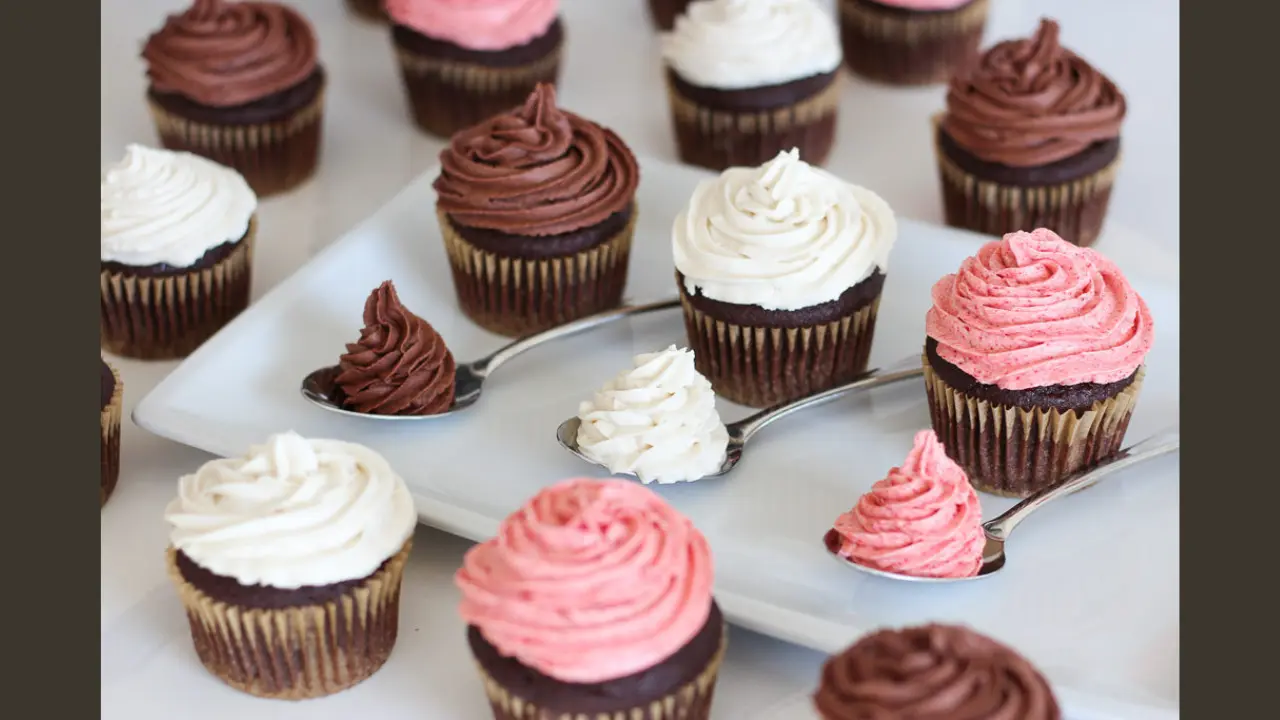
Gluten-free baking has come a long way, and one area that often raises questions is frosting. Whether you’re decorating a birthday cake or adding the final touch to cupcakes, choosing the right gluten free frosting is essential for both taste and safety. In this guide, we’ll explore what makes frosting gluten-free, the best types to use, common pitfalls, and easy recipes you can try at home.
What Is Gluten Free Frosting?
At its core, gluten-free frosting is any frosting made without ingredients that contain gluten—primarily wheat, barley, or rye. While frosting might seem naturally gluten-free, hidden ingredients can sometimes introduce gluten into the mix.
Most traditional frosting recipes use simple ingredients like butter, sugar, milk, and flavorings, which are naturally gluten-free. However, additives such as flavor extracts, thickeners, or even cross-contaminated powdered sugar can make a difference. That’s why it’s important to always check labels when preparing or buying gluten free frosting.
Jema Donahue Release Date: What Happened to Her?
Common Ingredients in Gluten Free Frosting
Creating delicious frosting starts with understanding safe ingredients. Here are the most common components:
- Butter or margarine – Typically gluten-free, but always check for additives
- Powdered sugar – Usually safe, though some brands add anti-caking agents
- Milk or cream – Naturally gluten-free
- Vanilla extract – Most are safe, but verify labeling
- Cocoa powder – Great for chocolate frosting and naturally gluten-free
When these ingredients are combined carefully, they form the base of many classic gluten-free frosting recipes.
Types of Gluten Free Frosting
There are several delicious varieties of frosting you can make or buy. Each has its own texture and flavor profile.
Buttercream Frosting
This is the most popular option. Made with butter, powdered sugar, and milk, buttercream is smooth, creamy, and easy to spread.
Cream Cheese Frosting
Perfect for carrot cake or red velvet cupcakes, this frosting combines cream cheese, butter, and sugar for a tangy flavor.
Whipped Frosting
Light and airy, whipped frosting uses heavy cream and sugar, making it a great option for those who prefer less sweetness.
Chocolate Ganache
Made from chocolate and cream, ganache is rich and glossy—an excellent choice for elegant desserts.
All of these can be made into gluten-free frosting as long as the ingredients are verified gluten-free.
Hidden Sources of Gluten in Frosting
Even when a recipe seems safe, gluten can sneak in through unexpected sources. Here are a few things to watch out for:
- Artificial flavorings or colorings that may contain gluten derivatives
- Pre-made frosting mixes that include wheat-based stabilizers
- Cross-contamination in shared kitchens or equipment
- Sprinkles and toppings that may not be gluten-free
To ensure your gluten-free frosting is truly safe, always read ingredient labels carefully and opt for certified gluten-free products when possible.
Easy Homemade Gluten Free Frosting Recipe
Making your own frosting at home is simple and ensures full control over ingredients. Here’s a basic buttercream recipe:
Ingredients:
- 1 cup unsalted butter (softened)
- 3–4 cups powdered sugar
- 2–3 tablespoons milk
- 1 teaspoon vanilla extract
Instructions:
- Beat the butter until creamy and smooth.
- Gradually add powdered sugar, mixing well after each addition.
- Pour in milk and vanilla extract.
- Continue beating until light and fluffy.
This classic recipe creates a smooth and delicious frosting perfect for cakes, cupcakes, and cookies.
Max B Release Date: Why is He in Jail?
Tips for Perfect Gluten Free Frosting
To get the best results every time, keep these tips in mind:
- Use room-temperature ingredients for smoother mixing
- Sift powdered sugar to avoid lumps
- Adjust consistency by adding more milk (for thinner frosting) or sugar (for thicker frosting)
- Taste as you go to balance the sweetness
Following these tips will help you create bakery-quality frosting at home.
Store-Bought Options
If you’re short on time, there are many ready-made options available. When choosing store-bought gluten-free frosting, look for:
- Certified gluten-free labels
- Minimal artificial additives
- Clear ingredient lists
While convenient, always double-check the packaging to ensure the frosting meets standards.
Why Choose Gluten Free Frosting?
Even if you don’t have gluten sensitivity, there are benefits to using frosting:
- Safe for people with celiac disease or gluten intolerance
- Often made with simpler ingredients
- Versatile and customizable
By choosing frosting, you make your desserts accessible to more people without sacrificing flavor.
Creative Ways to Use
Once you’ve mastered the basics, there are countless ways to use frosting creatively:
- Pipe decorative designs on cupcakes
- Fill sandwich cookies
- Top brownies or gluten-free cakes
- Use as a dip for fruit
The possibilities are endless, and experimenting with flavors and colors can make your desserts even more exciting.
Final Thoughts
Making or choosing the right gluten free frosting doesn’t have to be complicated. With the right ingredients, a bit of care, and attention to labels, you can enjoy delicious, safe, and beautifully decorated desserts. Whether you prefer classic buttercream, rich chocolate ganache, or tangy cream cheese frosting, there’s a gluten free frosting option for every taste and occasion.
By understanding the basics and avoiding hidden sources of gluten, you can confidently create treats that everyone can enjoy.